
Confidence

Photo Credit: Carlos David
Naturally Arising
We often think of confidence as something that we have or we don’t;
either we’re born with it, we’re chasing it, or faking it.
But confidence is more nuanced and can be better understood as a state which naturally forms when deeper foundations are in place.
This explains why someone can be highly capable and successful — yet still find they react under pressure. And why someone else, with fewer external signs of success, can move through the world with a quiet,
unshakeable assurance.
When we understand the different components, it means we can consciously create the conditions that allow a deeper, genuine confidence to flourish.
Confidence
Photo Credit: Carlos David
Naturally Arising
We often think of confidence as something that we have or we don’t; either we’re born with it, we’re chasing it, or faking it.
But confidence is more nuanced and can be better understood as a state which naturally forms when deeper foundations are in place.
This explains why someone can be highly capable and successful — yet still find they react under pressure. And why someone else, with fewer external signs of success, can move through the world with a quiet, unshakeable assurance.
When we understand the different components, it means we can consciously create the conditions that allow a deeper, genuine confidence to flourish.
Nurturing Confidence
Core
One foundation of confidence is developing a sense of our core self — beneath the conditioning of who we think we should be, or need to be.
When we feel more at ease with ourselves. When we discover our freedom to be.
We might find we’re more creative, more outspoken, or more resilient than we realised.
Here, confidence isn’t forced or phony; it simply emerges when we stop hiding.
Capabilities
Another foundation comes from developing the capabilities to self-regulate and consciously guide our physiology, our thought patterns and our emotions. We understand our learning processes and can adopt the optimal approach. We’re confident we can reset after a wobble, generate resourceful emotional states, or calm our nervous system before we’re overwhelmed with stress.
It’s not that we don’t react impulsively — we react less. In time, we catch ourselves before we spiral.
“There are no fearless people. But there are people who fear less.”
Joseph McClendon III
Competence
Then there’s the confidence that comes from developing competence — from putting in the time and effort to genuinely learn the skills that matter to us. Whether that’s running a meeting, raising a child, speaking a language or leading a team.
When we know we can do it well enough — and when others recognise that too — we gain a grounded assurance that fosters mastery, if we desire.
Interconnected
Each component of confidence plays its part — they are all interconnected, and show up in different situations.
When these foundations are in place — a deeper sense of self, an ability to self-regulate and a developed competence — we find confidence arises naturally.
Explore
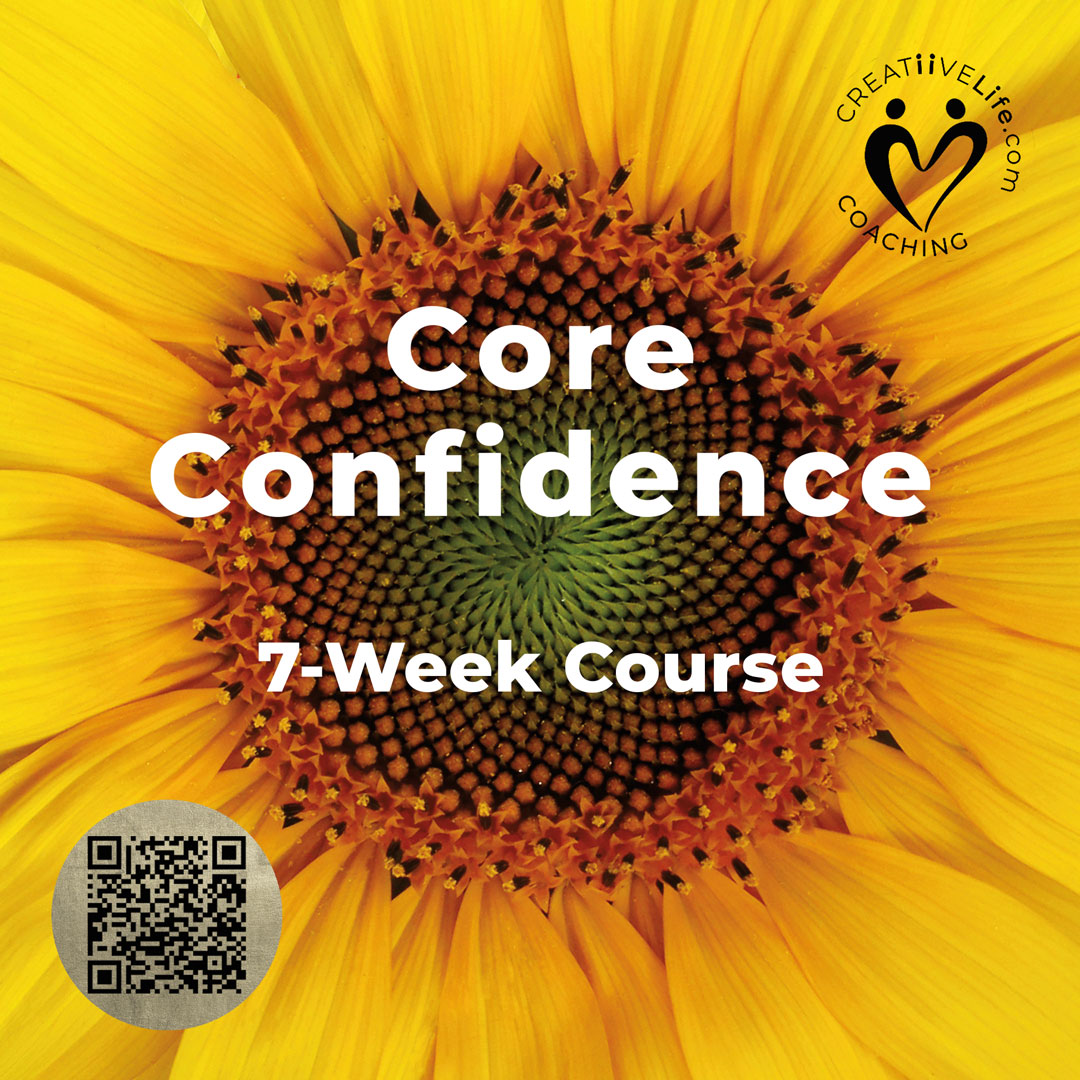
Discover who you are beneath the conditioning — and develop the quiet authority that comes from knowing yourself at a deeper level.
Explore
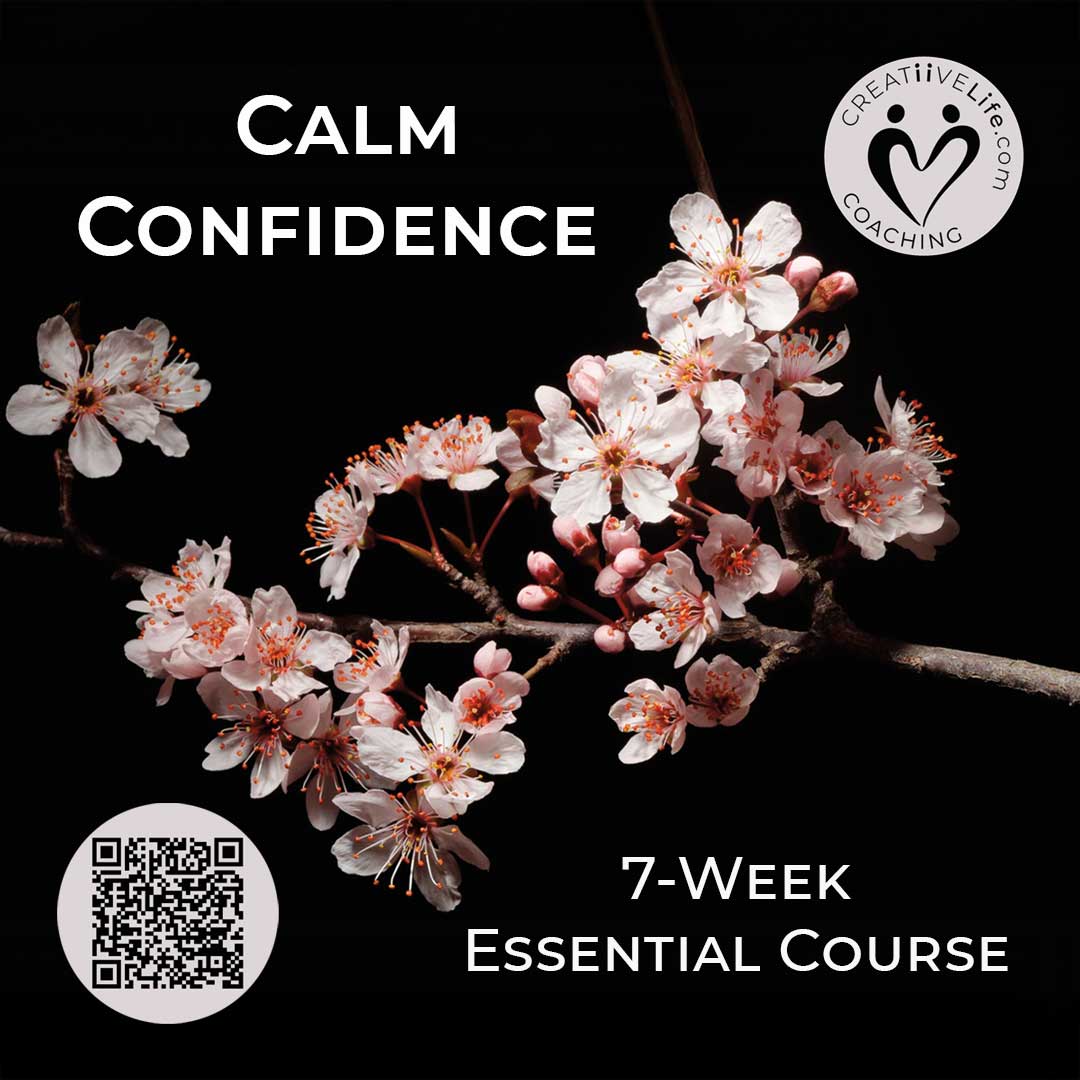
Develop the capability to self-regulate under pressure — so you can stay centred, clear and grounded, even when life gets loud.
Learn

If you’d like to learn a new skill, check out these free and paid resources. There are hundreds of courses for upskilling in AI, computing, finance, and so much more — even happiness!
All at your own pace from your own home.